Work

What I build and run

As part of a two-person IT team at IQOQI, a basic-research institute for quantum physics, I run its open-source, on-premise side — servers and security, software and websites, meeting-room AV and AI strategy. The chain runs from the power outlet and the rack through operating systems and databases to the application, the frontend and the design, and it sits with one person. The principle throughout: keep control of the data and the stack.

Websites

Websites for quantum physicists

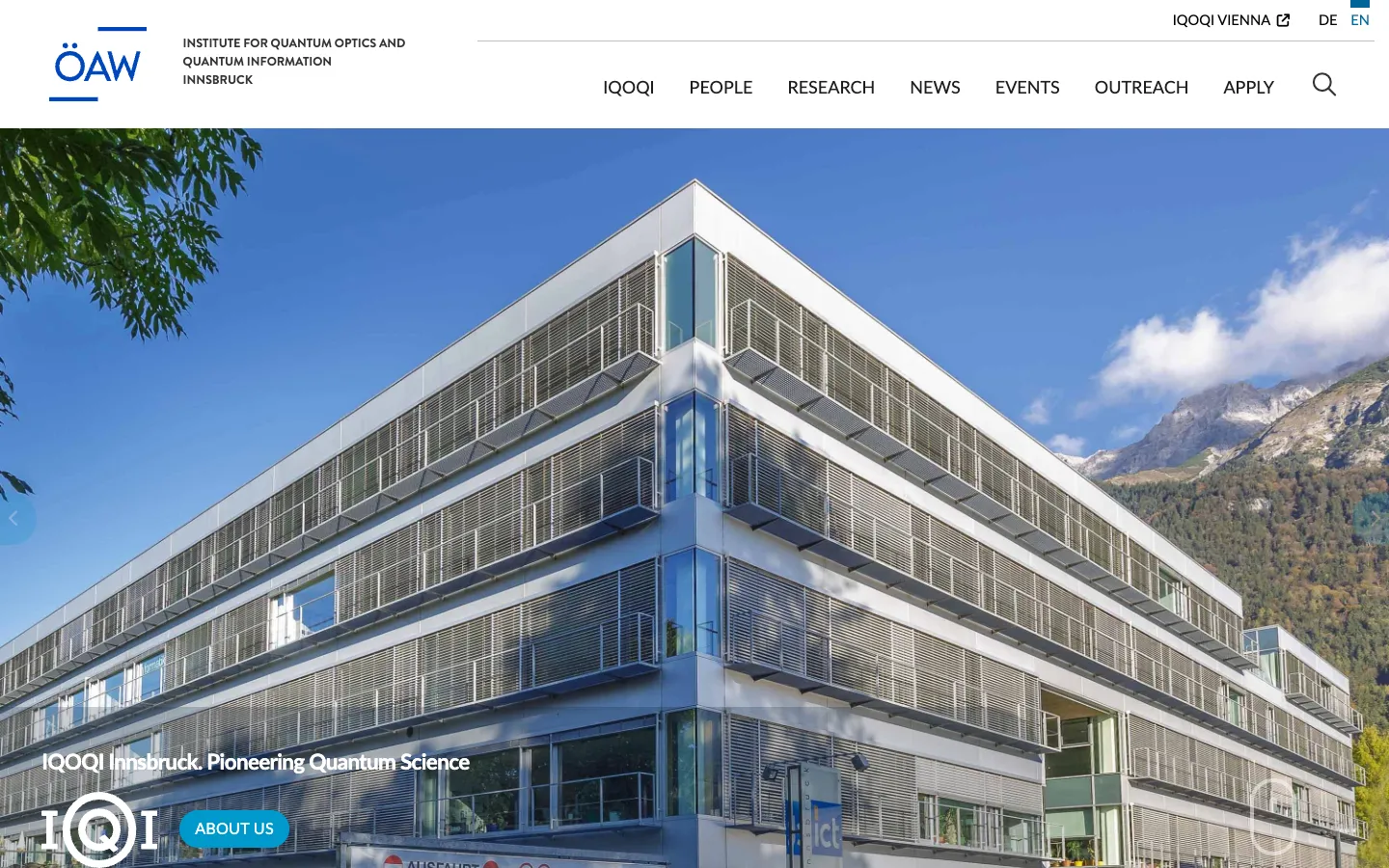
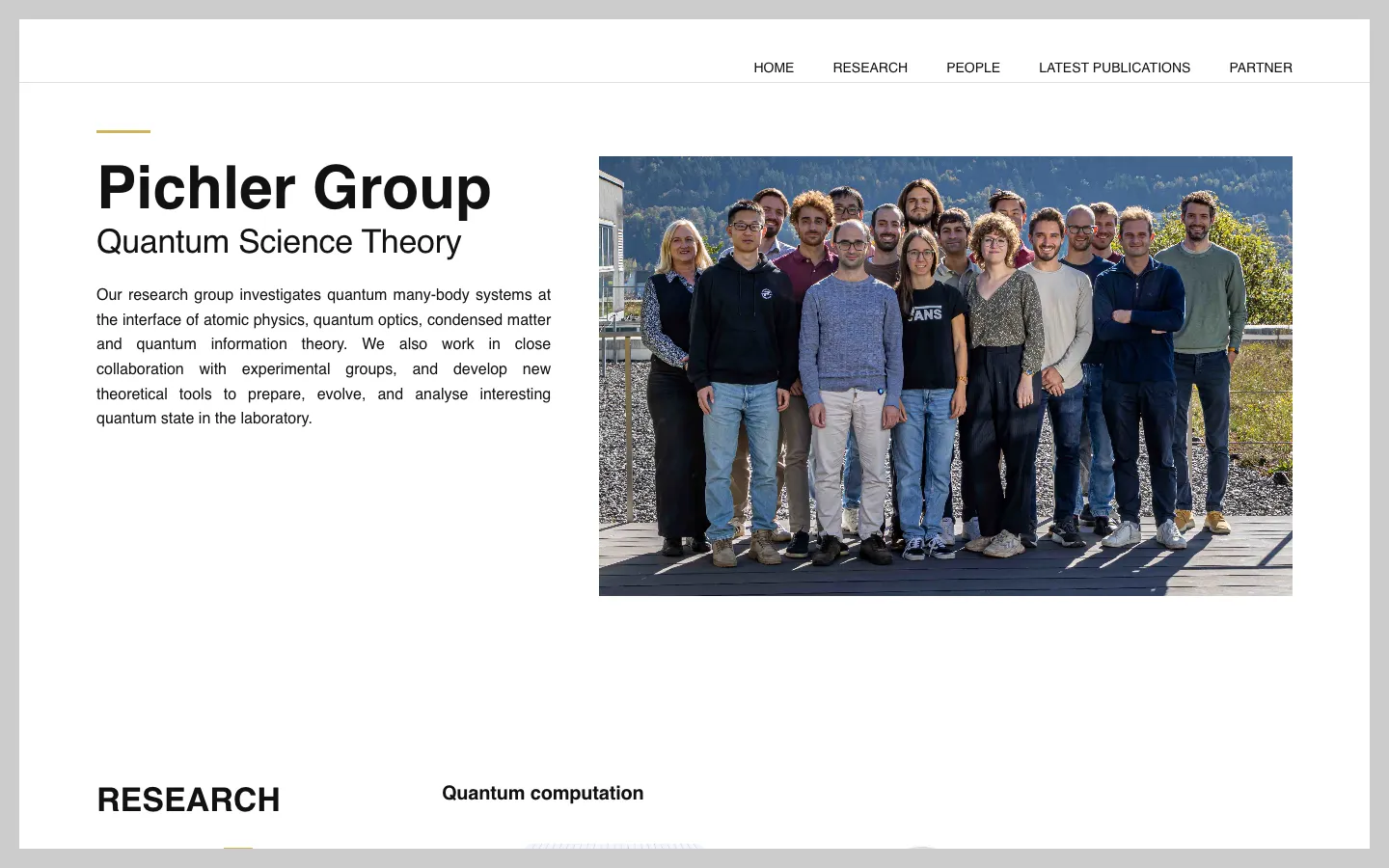
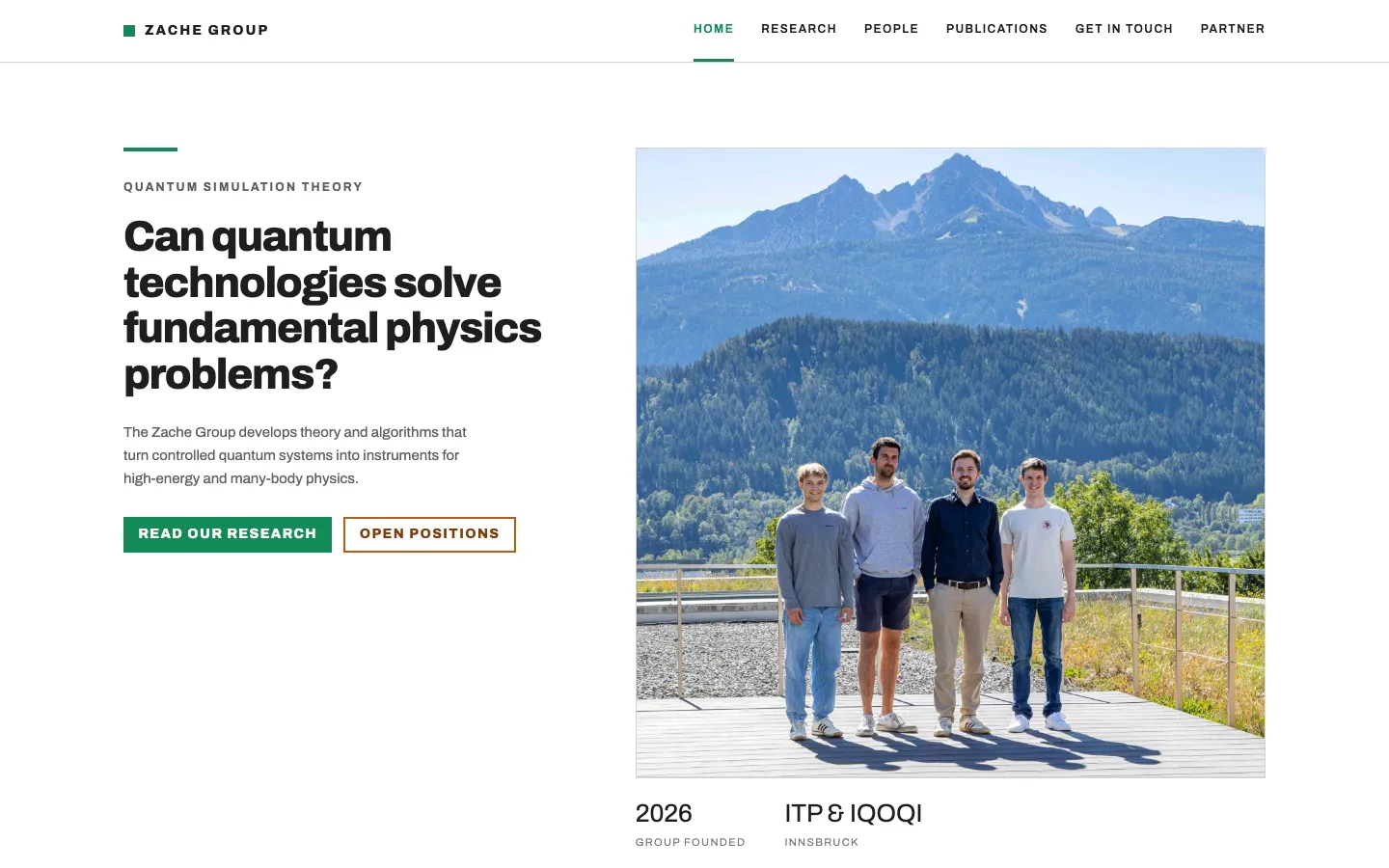
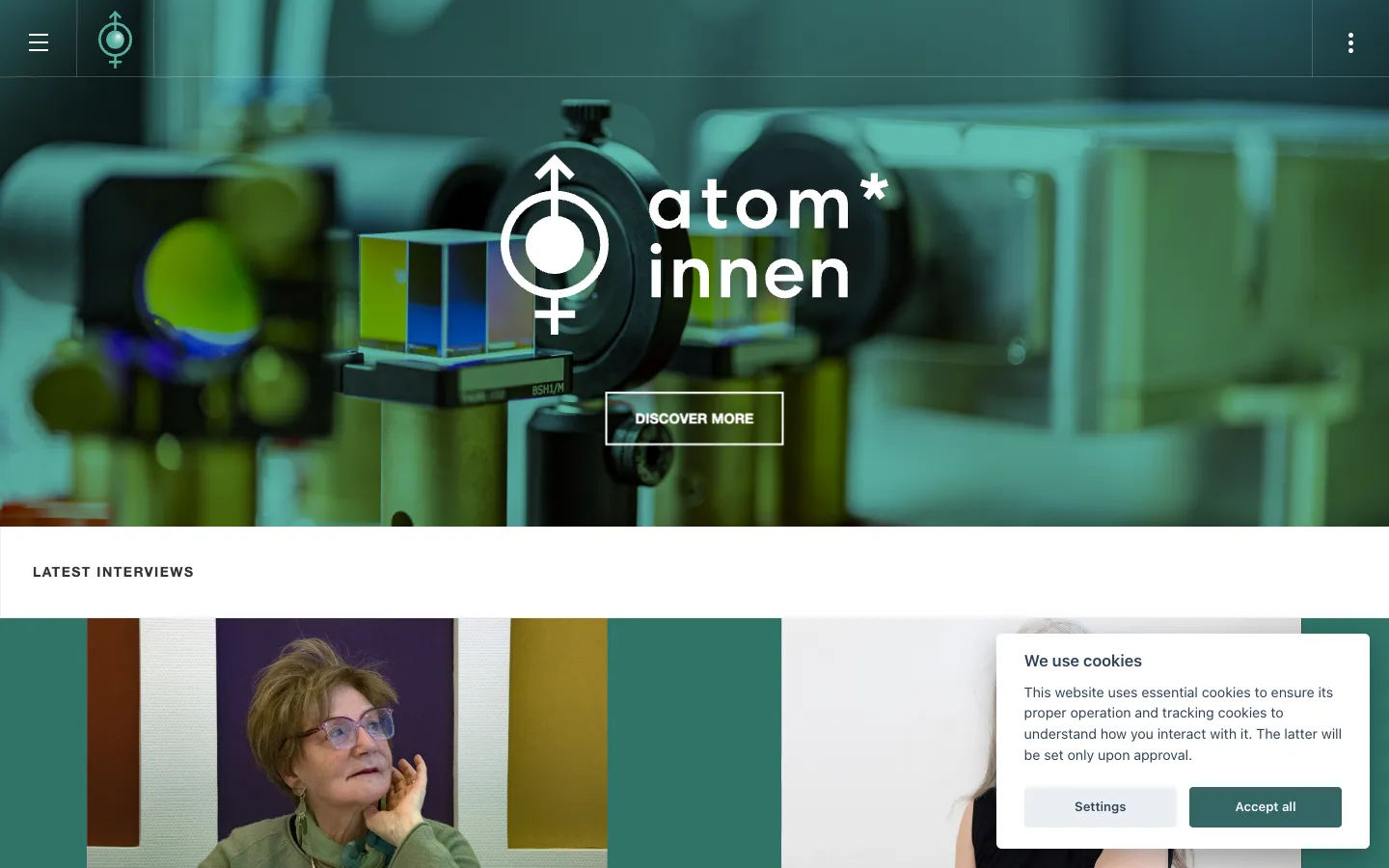
Research groups need websites that look good, stay fast, and that they can update themselves. A few I built and look after:

…and many more ....

Side project

Budgetkompass

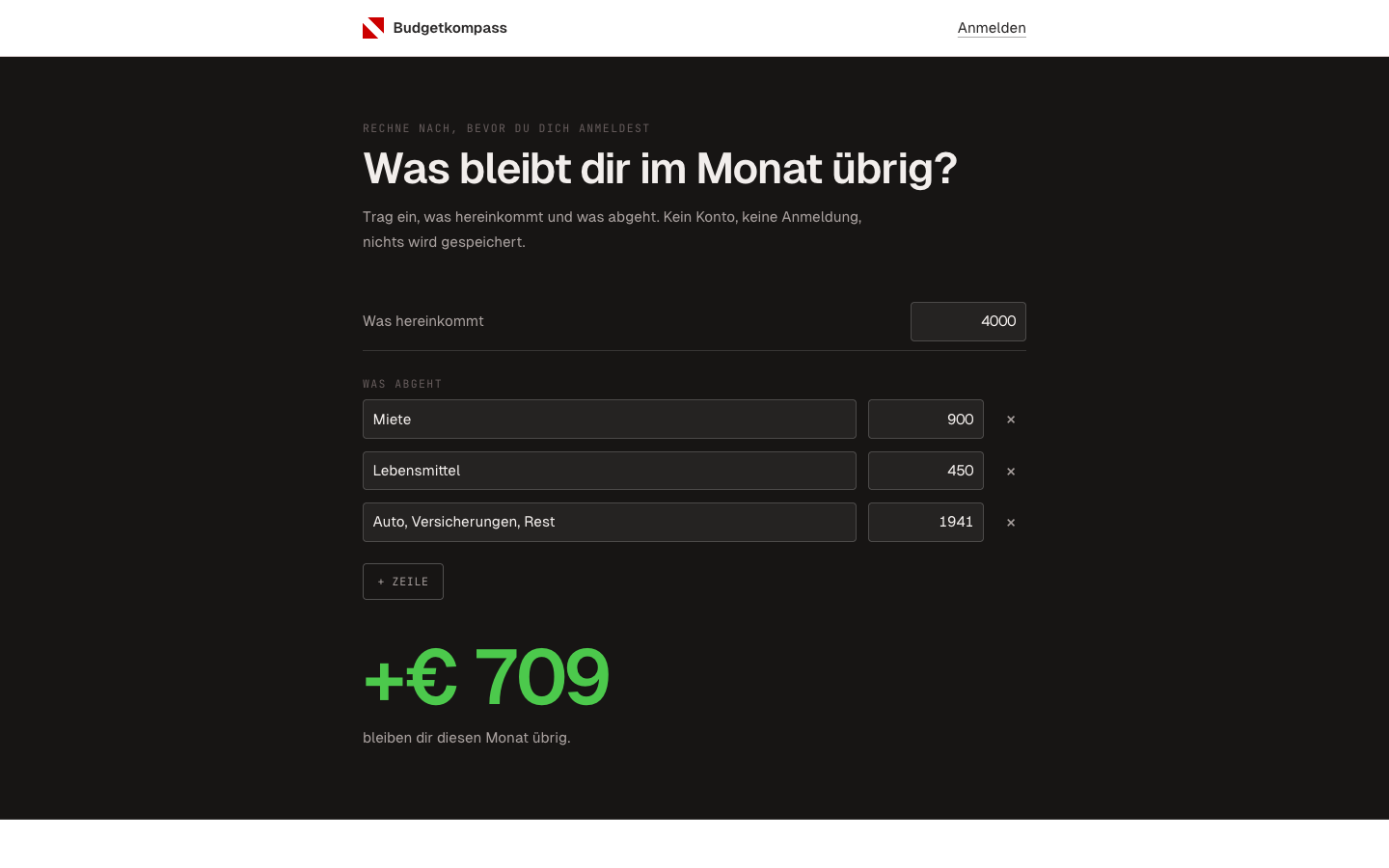
Screenshot of Budgetkompass: a quick calculator showing what is left at the end of the month

A self-hosted household budget planner that replaced a spreadsheet grown over the years. It is a planning tool, not bookkeeping: income in, pots defined, and you see straight away what is left and where it gets tight. Several households, cleanly separated.

The start page has a quick calculator — no account, nothing stored.

  • Laravel 13
  • Svelte 5
  • TypeScript
  • Multi-tenant
  • PHPStan level 7
Try it → auskommen.staubmann.eu

Earlier work

From the archive

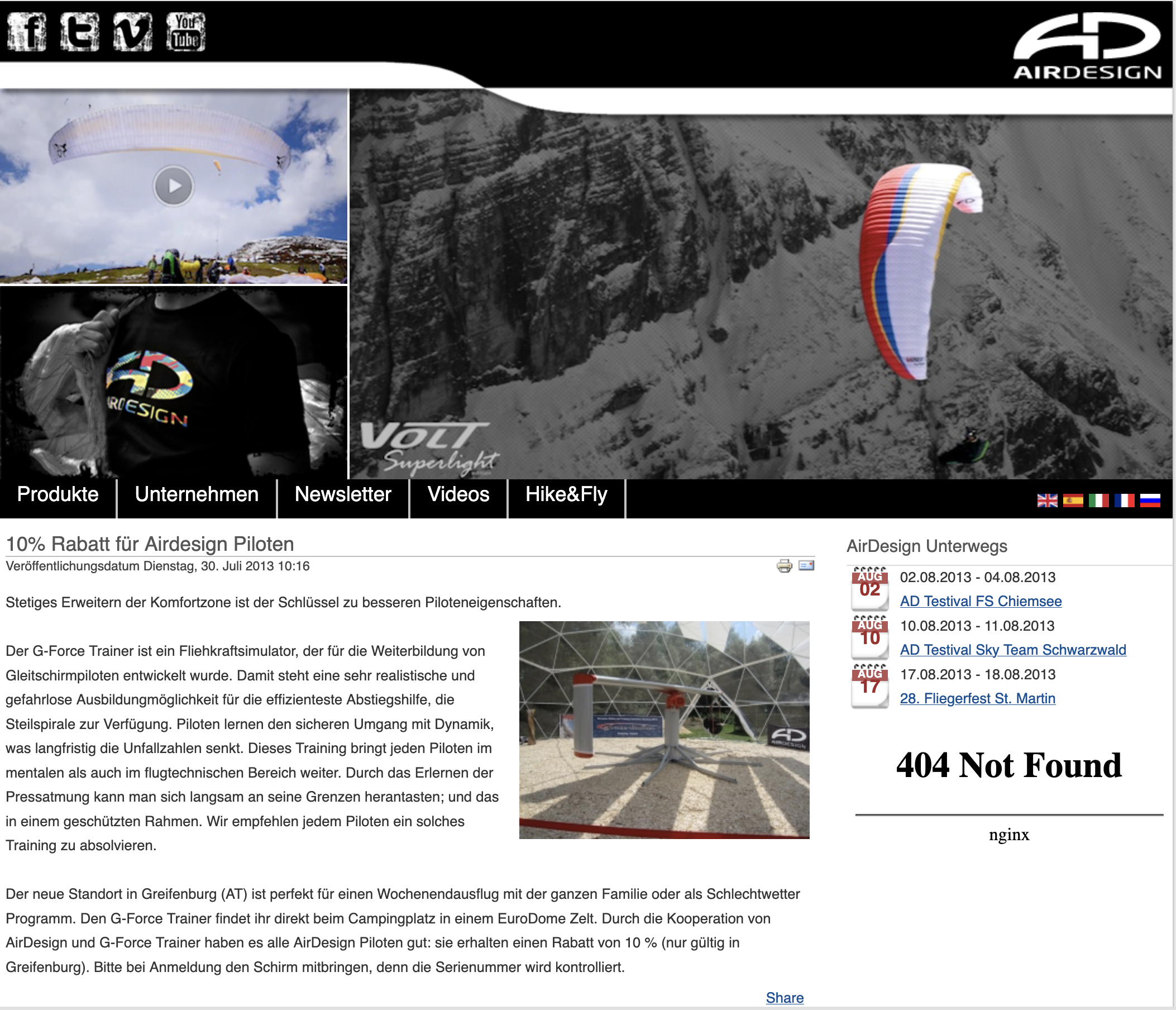
Older sites I built, as the Internet Archive preserved them — gaps included.

Infrastructure & self-hosting

From ageing servers to a self-managed, on-premise stack — on our own terms.

In 2022 I moved a single general-purpose server to a distributed, fault-tolerant Proxmox environment hosted at the university. There was no service for it, so the university created one. Two years later a data-processing agreement put storage, mail and virtual machines on a contractual footing. Web, databases and collaboration tools run in-house; Raspberry Pis handle the edges with monitoring, E-Ink room-booking displays and distributed data acquisition.

  • Proxmox
  • Linux/Debian
  • Bare metal
  • Self-hosting
  • Data ownership

Internal systems & tools

Seventeen years of one framework, still current — and the data stays with us.

I have been developing the institute’s own PHP framework since 2009. It carries staff records, publications, reporting, time tracking and onboarding, and it has supplied the figures for annual reports since 2008. Since 2010 the institute has kept its data in that system and delivered it to the academy — including the Pure interface — instead of entering everything twice. No licence fees, no vendor to depend on. I also run the institute’s websites and set them up so that editors without IT skills publish on their own (see below).

  • PHP
  • Own framework
  • Joomla
  • BookStack
  • LDAP

Security & resilience

Security and privacy by design, open-source monitoring, and an outside look at my own systems.

In practice, I look after the institute’s IT security: open-source monitoring and threat detection with Wazuh and CheckMK, a commercial compromise-assessment scanner, GDPR-compliant data handling, and mail authentication via SPF, DKIM and DMARC. I am a member of the academy’s data-protection network. Because the same person who builds these systems also secures them, penetration tests from outside are the next step. Behind it sits a backup-and-recovery routine I take seriously.

  • Wazuh (SIEM)
  • CheckMK
  • Compromise assessment
  • SPF · DKIM · DMARC
  • GDPR

Spaces & collaboration

Rooms and tools that work — for the people present and the ones dialling in.

I plan technical building projects end to end: specification, tender, site management, acceptance. Three rooms and the professors’ offices have been fitted out or rebuilt since 2009, two of them twice — first structurally, years later technically — which produced one shared standard for meeting rooms. The rooms run on a single AV platform with PTZ cameras, speaker tracking and bring-your-own-device support. For everyday work I introduced Mattermost during the pandemic in 2020; self-hosted, roughly a hundred users, the data stays in the institute. For outreach there is a dedicated podcast studio.

  • AV
  • Project management
  • Procurement
  • Mattermost
  • BYOD

AI strategy & automation

Picking the right AI for each job — from on-premise, GDPR-compliant models to the major providers.

Where does AI actually help, and which kind? I match the approach to the need: on-premise, GDPR-compliant models where the data calls for it, established providers where they’re simply the better tool. I assess use cases along IEEE 7000, the standard for value-based system design, and keep automation pragmatic. One example: a local AI assistant for administrative tasks. The first hardware is in the lab, and the question I am working on now is which needs are best served locally, by frontier models, or through academic offerings.

  • Local LLMs
  • GDPR
  • IEEE 7000
  • Automation
Explaining AI to non-specialists (in German) →